 Pleasure Rewards


A Beginner’s Guide to Bondage: What to Know Before You Start

Bondage can sound more intense than it needs to be.
At its best, it is not about being extreme. It is about trust, anticipation and the thrill of giving up control or taking the lead in a way that feels exciting for everyone involved.
With World BDSM Day on 24 July, it is the perfect time to explore bondage with more curiosity, more confidence and a little less overthinking.
You do not need a full dungeon set up. You do not need to know every BDSM term. You do not need to start with rope, gags or anything that feels too advanced.
You just need consent, communication and a few well chosen pieces that make the experience feel comfortable, playful and easy to stop at any time.
Here is where to begin.
1. Start with soft restraints
Beginner bondage does not need to start with rope, knots or complicated positions.
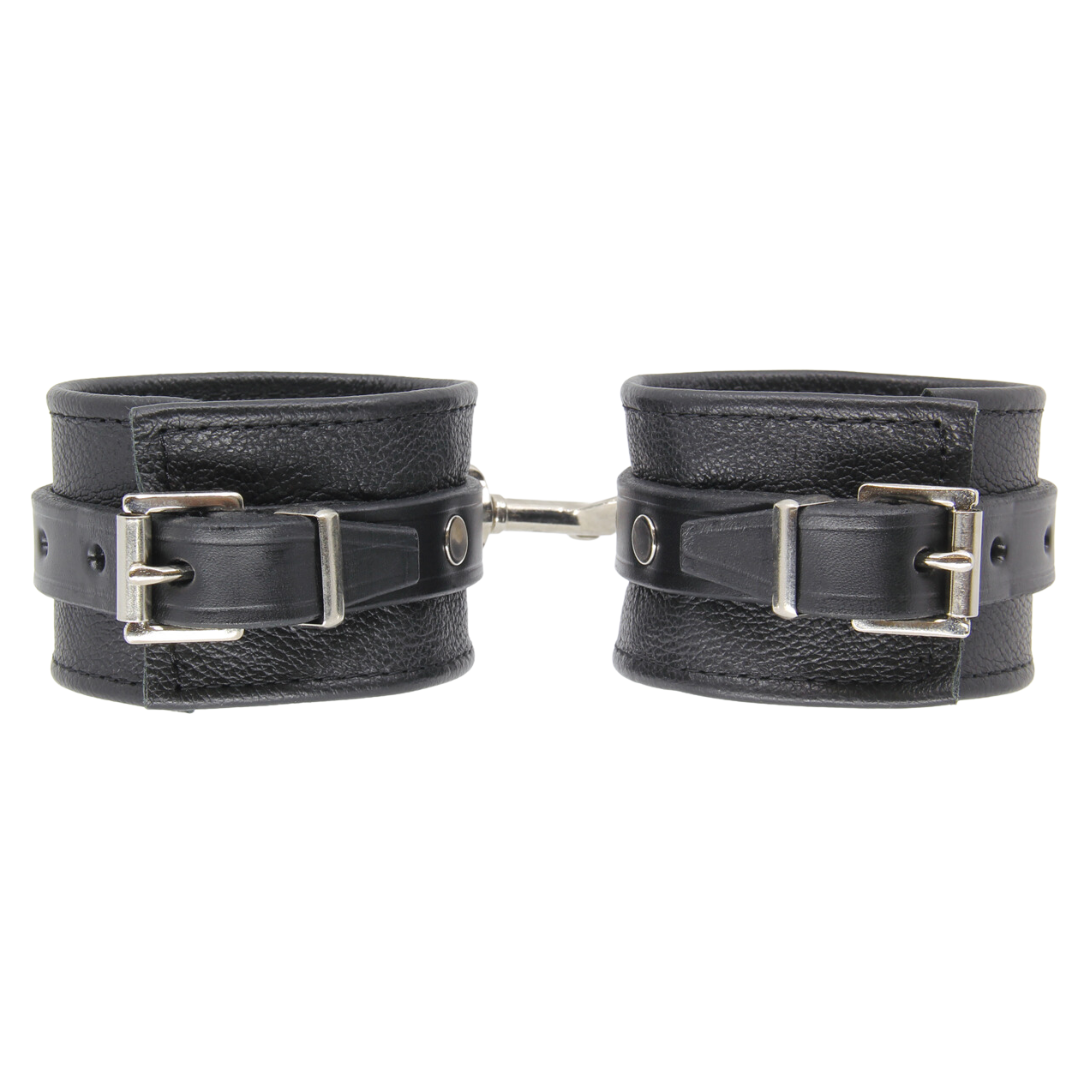
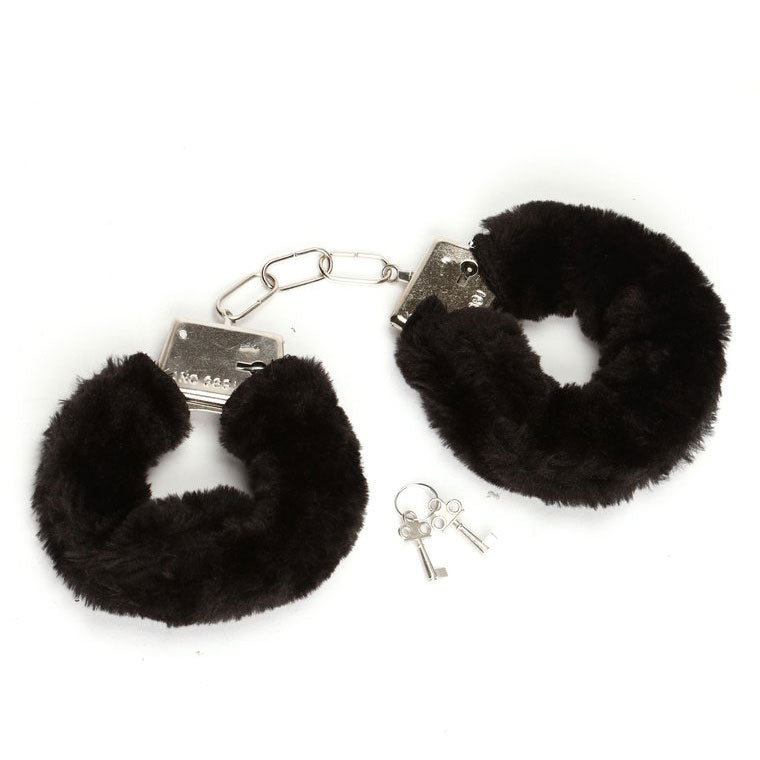
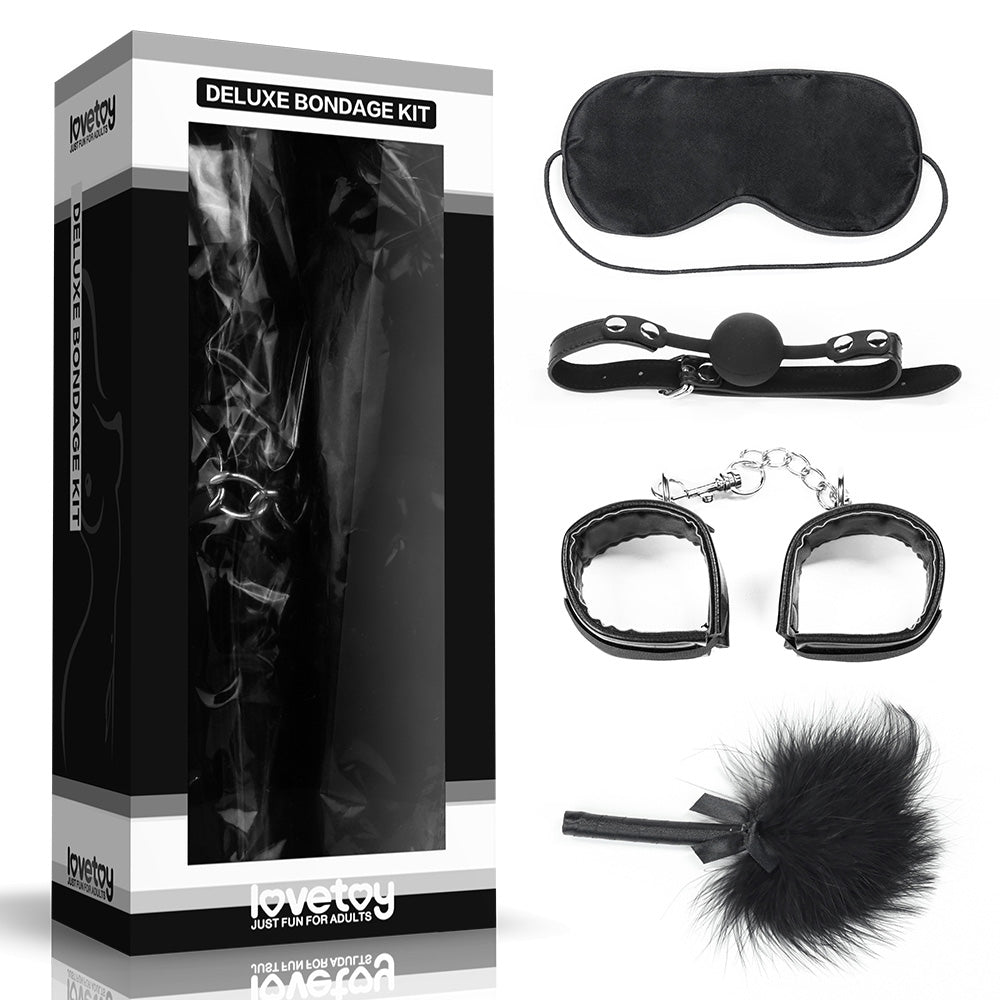
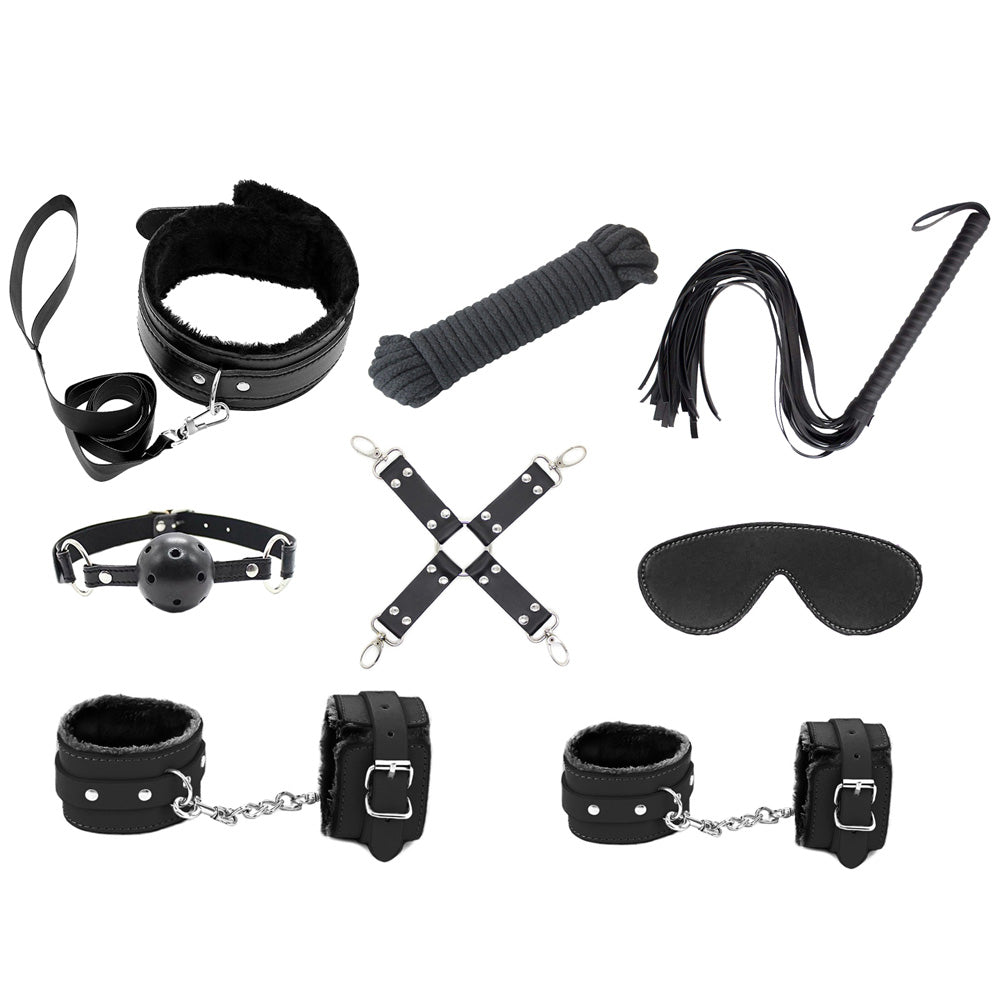
Soft restraints are the easiest place to begin because they give you the feeling of being held without making the moment feel too intense too quickly. Think padded cuffs, soft leather wrist restraints or fluffy handcuffs.
The goal is not to completely immobilise someone. It is to create anticipation. Hands held in place. Movement slightly limited. Enough restraint to change the mood, while still keeping everything comfortable, consensual and easy to release.
If you are using cuffs, make sure they sit snugly without digging in. You should be able to slip a couple of fingers underneath. Check in often and stop if there is any numbness, tingling or discomfort.

2. Add a blindfold
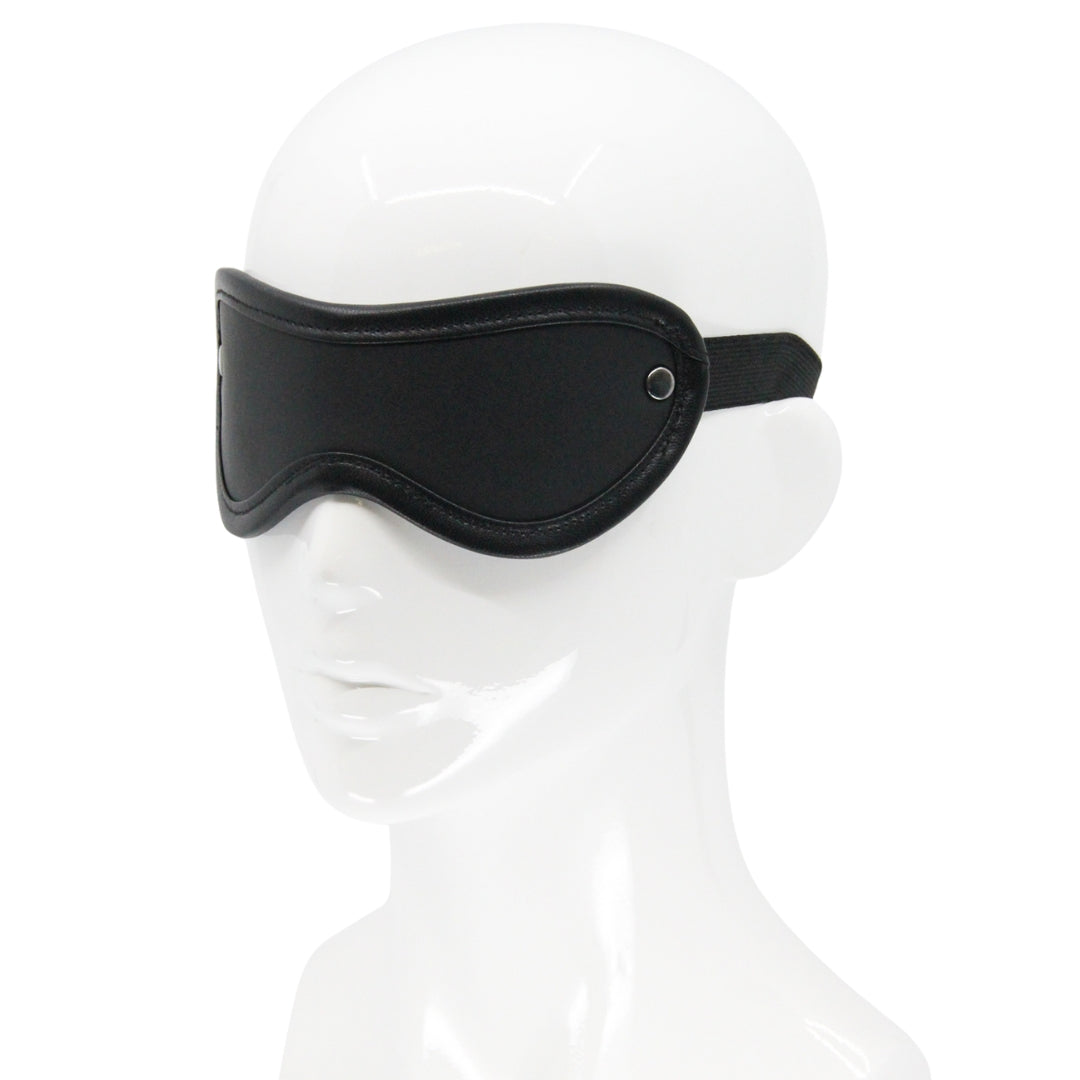
A blindfold is one of the simplest ways to make bondage feel more exciting without jumping straight into heavier restraint.
When sight is taken away, every other sense gets more attention. A hand on the thigh. A kiss on the neck. A pause before the next touch. Everything feels more deliberate because the person wearing it has to lean into trust and sensation.
Start slowly. Let the blindfold do the work. The point is not to rush into anything intense. The point is to make the moment feel more focused.
Choose a blindfold that feels soft, secure and comfortable around the eyes.


3. Try tape before rope
Rope can look beautiful, but it has a learning curve. Knots, tension, circulation and placement all matter.
Bondage tape is often a better first step because it sticks to itself rather than skin or hair. That makes it easier to use, easier to remove and less intimidating for beginners.
You can use it to wrap wrists, create simple restraints or experiment with visual play without needing advanced rope skills.
Keep it loose enough to stay comfortable and avoid wrapping too tightly. Bondage should restrict movement, not circulation.


4. Bring in sensation play
Bondage becomes more interesting when you add sensation.
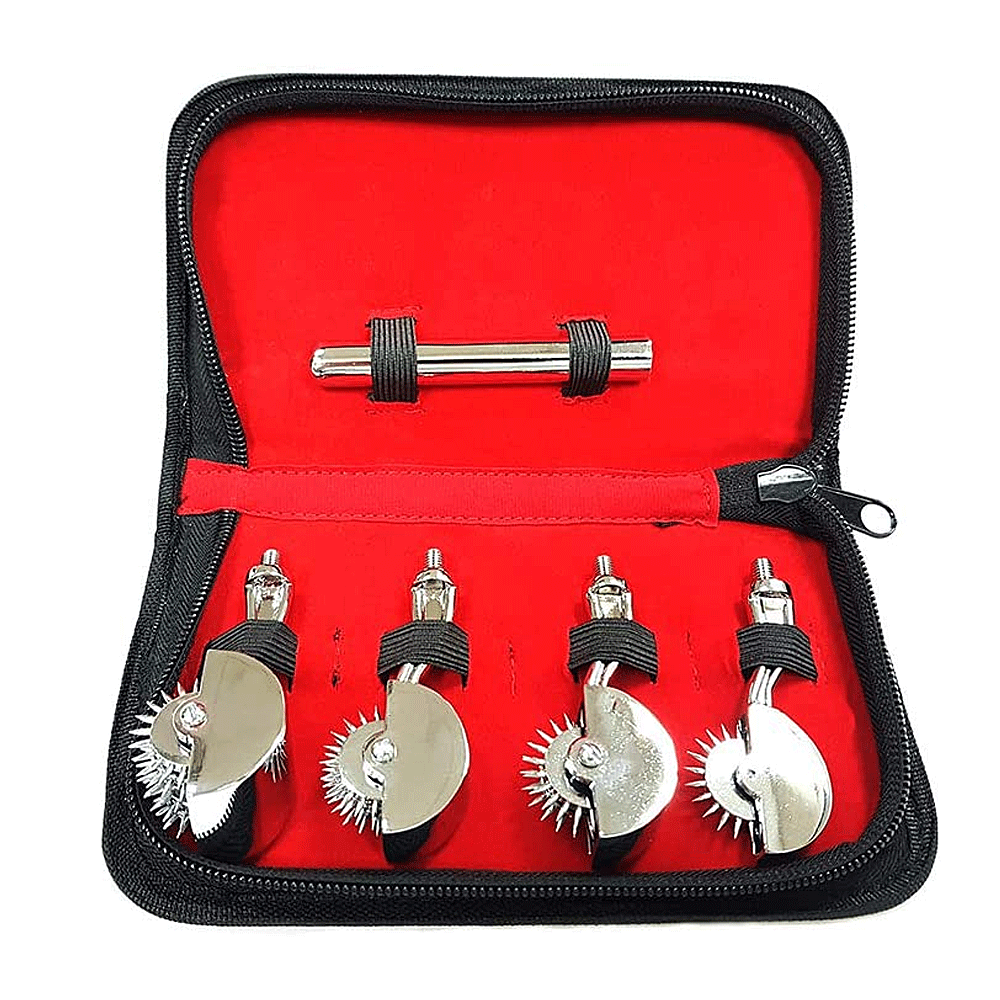
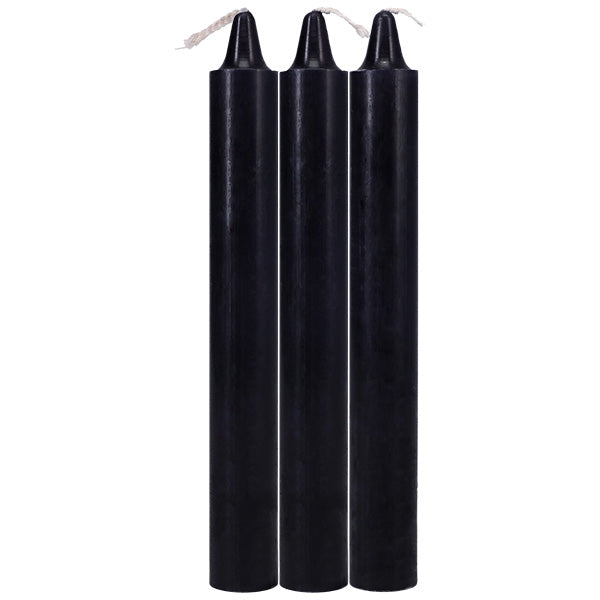
Once someone is blindfolded or lightly restrained, small touches can feel amplified. Fingertips. Breath. A feather. A pinwheel. Warmth. Coolness. The pause before contact.
This is where beginner bondage becomes less about gear and more about the moment. Restraint creates anticipation. Sensation gives that anticipation somewhere to go.
Start gently and check in often. Sensation play should feel exciting, not overwhelming.
5. Try light impact play
Impact play does not need to start with anything heavy.
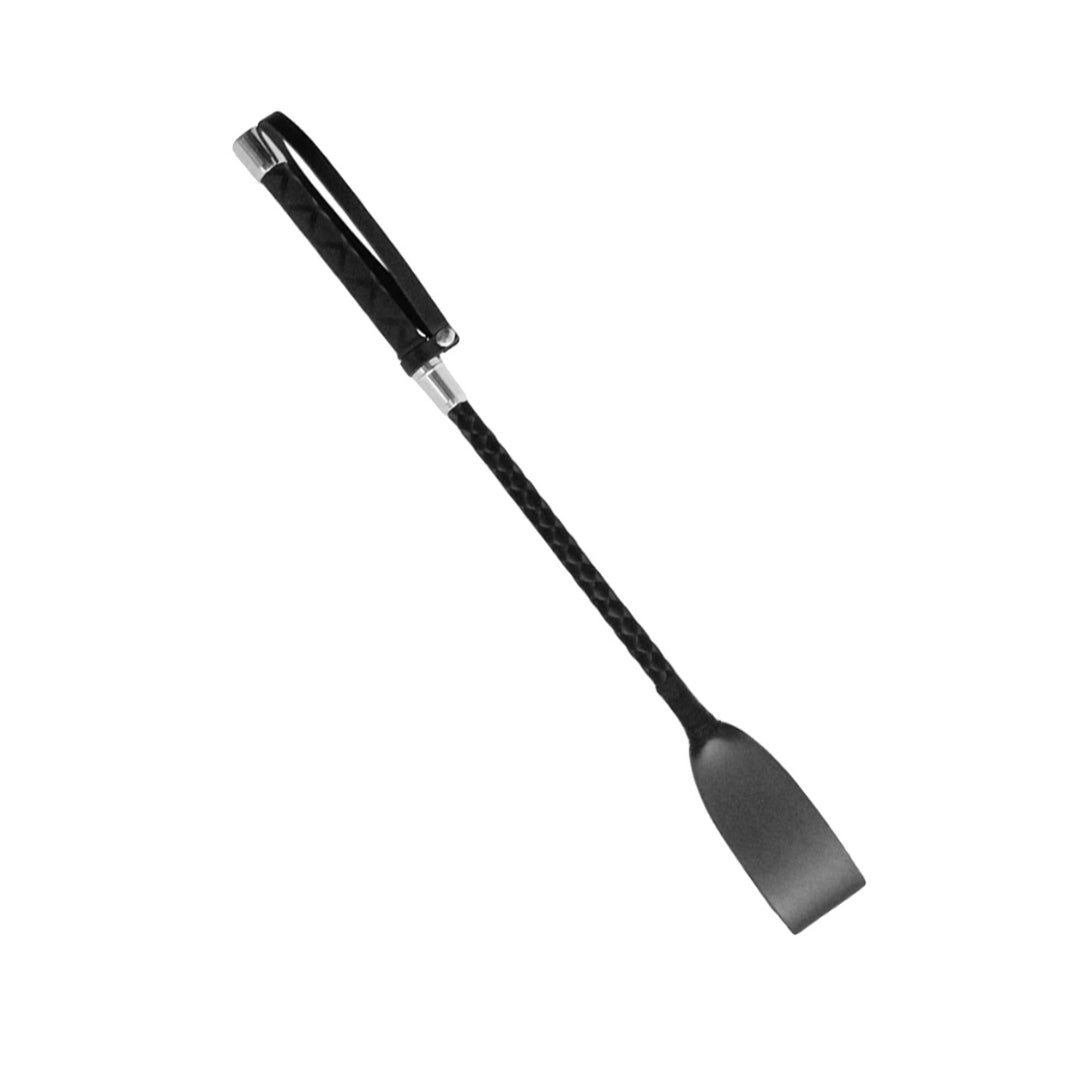
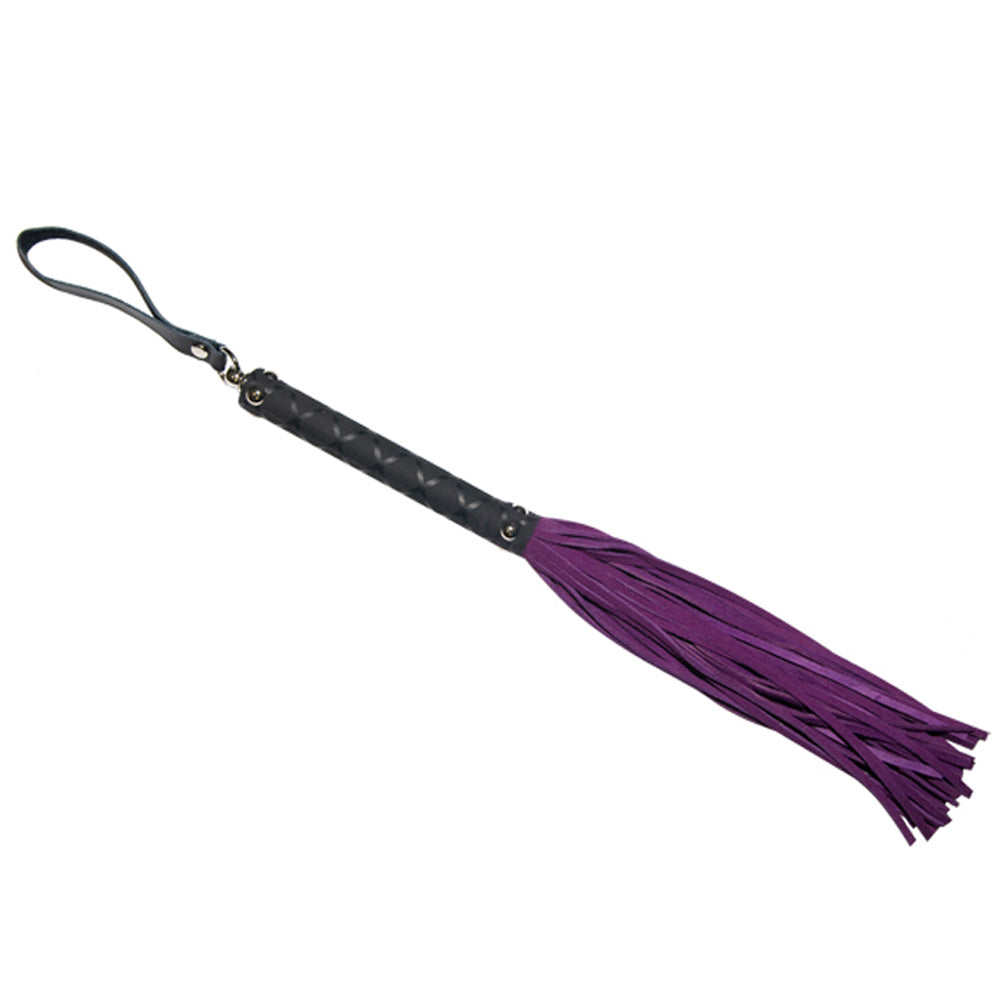
A small crop, soft flogger or paddle can introduce sound, rhythm and sensation without going too intense. The key is control.
Start light, avoid sensitive areas like the spine, kidneys, neck and joints, and build only if everyone is enjoying it.
A good first step is to test the sensation on your own arm or thigh so you understand how it feels before using it on someone else. Keep communication simple and use your safe word system.

6. Explore clamps slowly
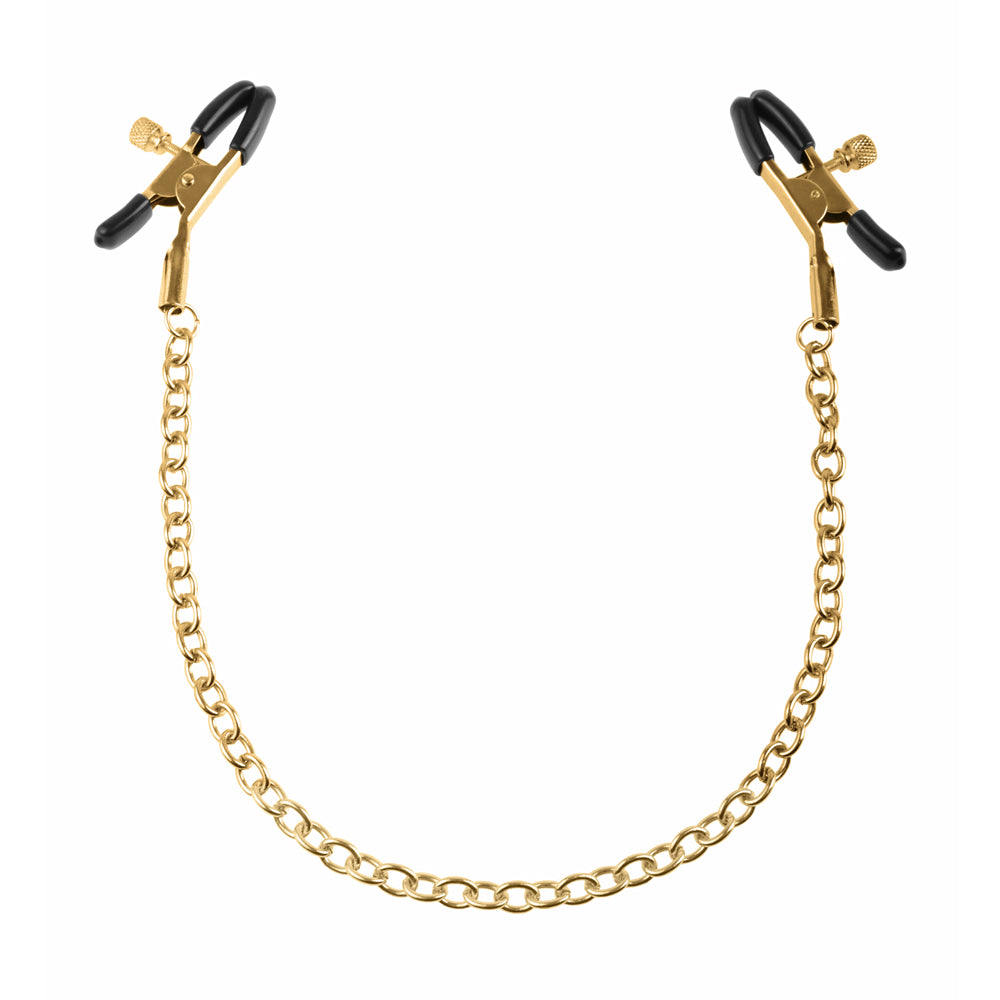
Nipple clamps can add pressure, sensitivity and a very different kind of sensation.
The most important thing is to start slowly. Begin with lighter pressure and build gradually only if it feels good.
Do not leave clamps on for too long, and remove them if there is pain, numbness or discomfort.
This is a good one to introduce after you already have trust, communication and a safe word in place. It can feel intense, so it is not something to rush.


7. Play with power, not pressure
Power play is one of the reasons people are drawn to BDSM.
One person leads. One person lets go. Or you switch. The dynamic can be soft, playful, commanding, sensual or somewhere in between.
The important part is that the power has been agreed to before the moment begins. No guessing. No pushing past limits. No assuming someone wants something because it fits the fantasy.
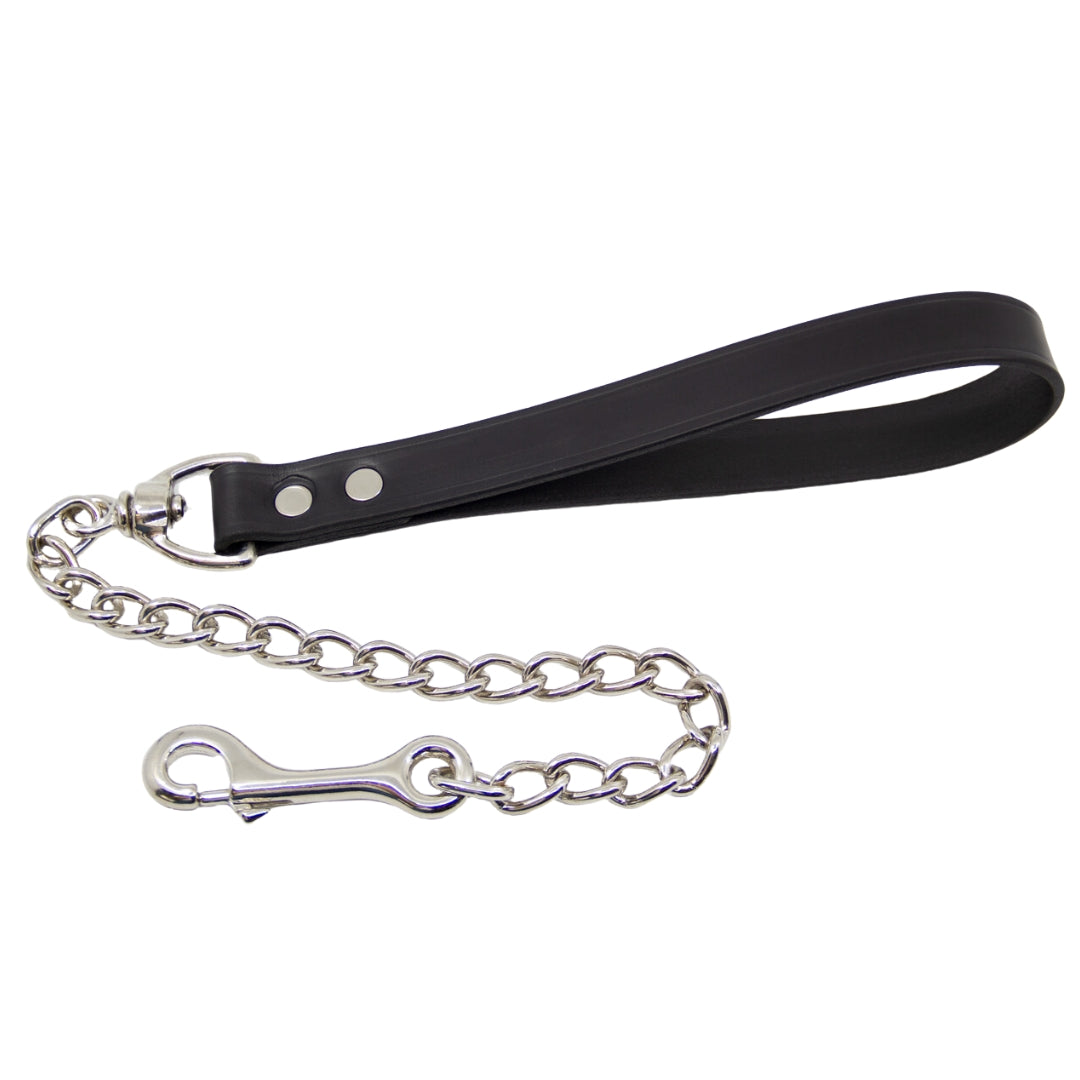
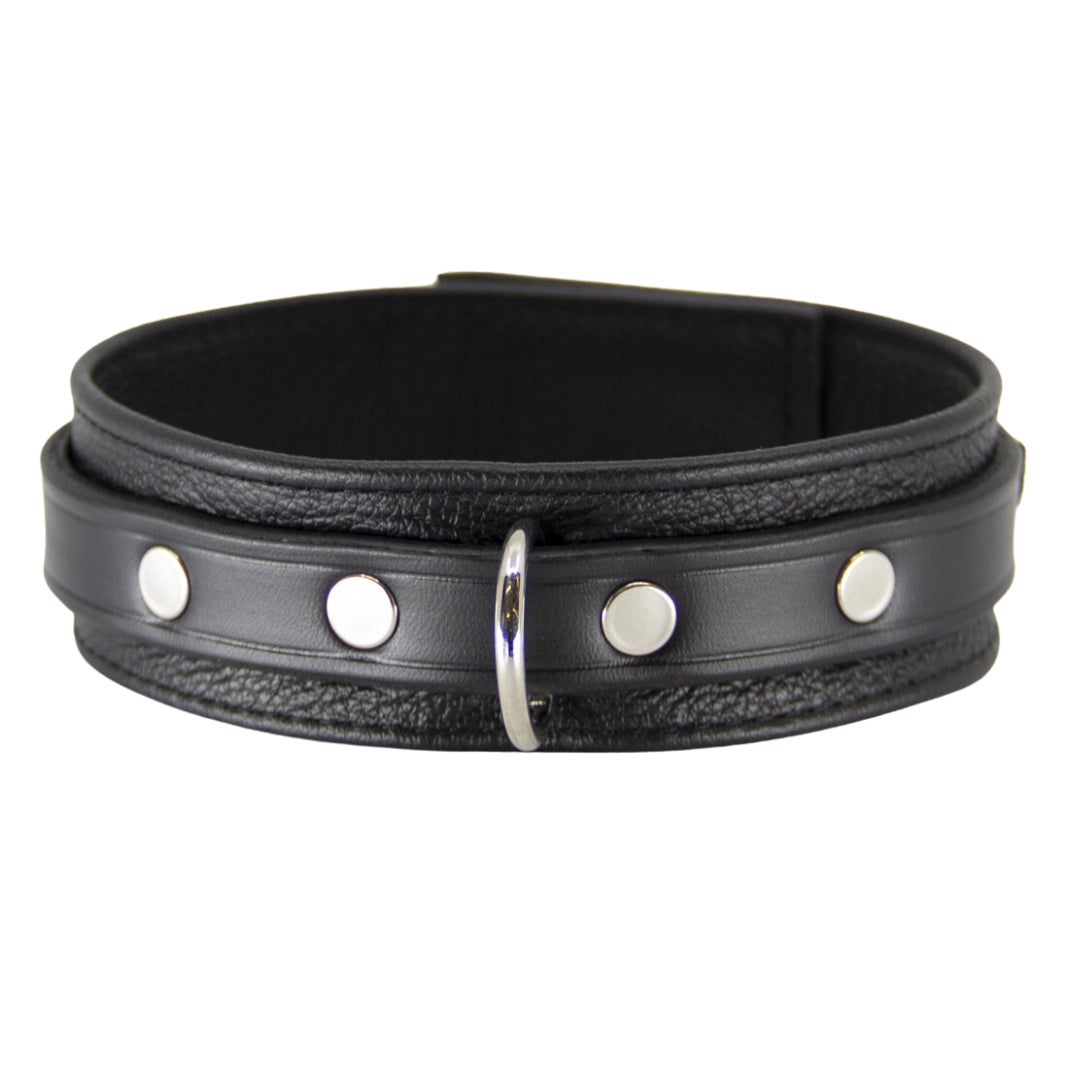
A collar, lead, cuffs or restraint set can help set the scene, but the product is not the power. The agreement is.
Keep safety close and do not skip aftercare
Good bondage feels exciting because everyone knows the rules. Before you begin, agree on a safe word. The traffic light system is easy to remember: green means keep going, yellow means slow down or check in, and red means stop immediately. If someone cannot speak clearly, agree on a non verbal signal before play starts.
Keep the basics close: do not tie or restrain around the neck, avoid tying directly over joints, never leave a restrained partner alone, check in regularly and stop immediately if there is numbness, tingling, pain, panic or a change in skin colour.
Aftercare matters too. Once the restraints come off, check in, offer water, talk through what felt good and give each other a few quiet minutes to come back down. The best bondage does not end when the gear comes off. It ends when everyone feels good, grounded and cared for.
Ready to explore?
World BDSM Day is a good excuse to try something new, but the real invitation is simpler: talk about what you want, choose pieces that feel good to start with and let curiosity lead.
Shop the Bondage Collection


Leave a comment